
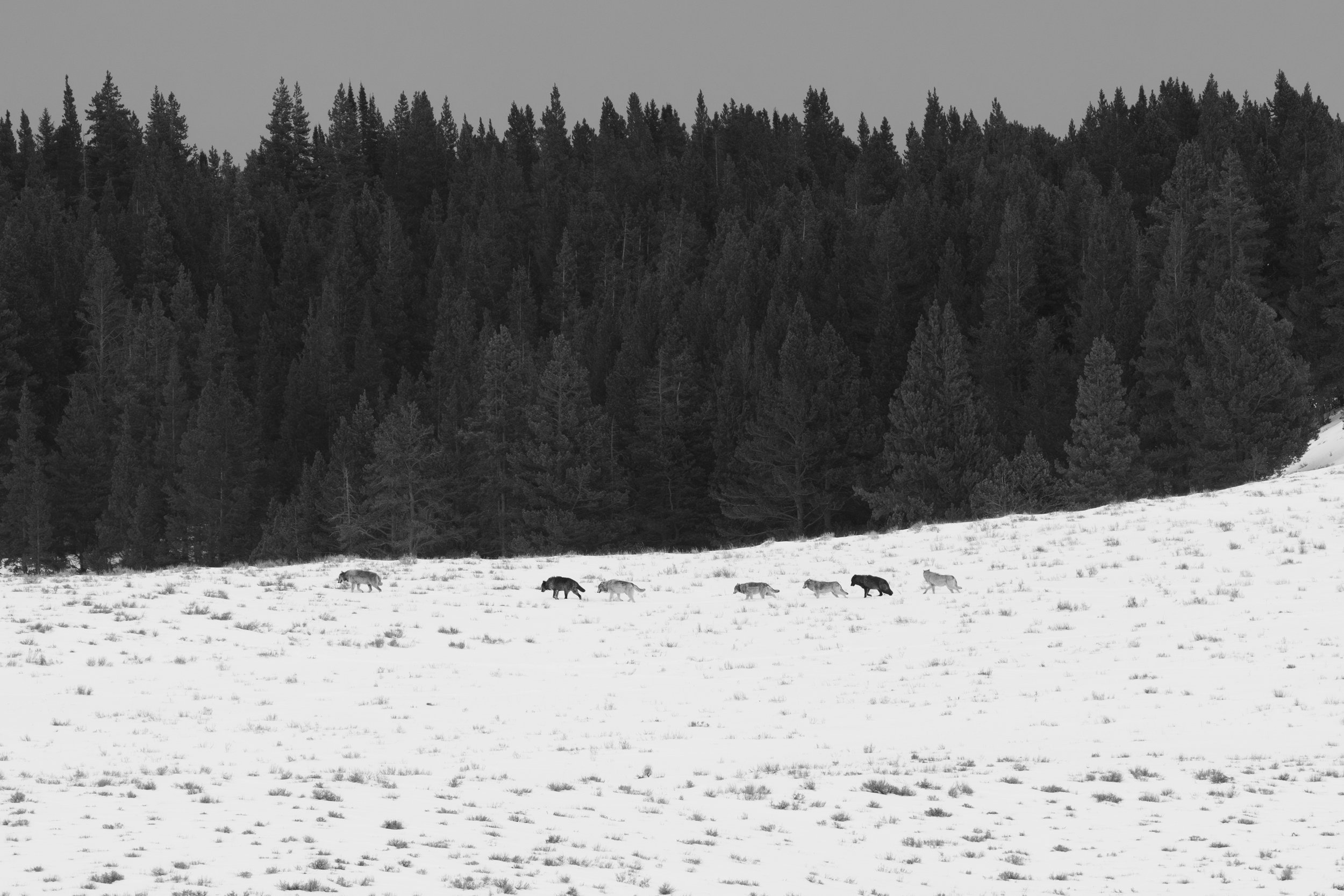
Winter wolves of Yellowstone and Grand Teton National park
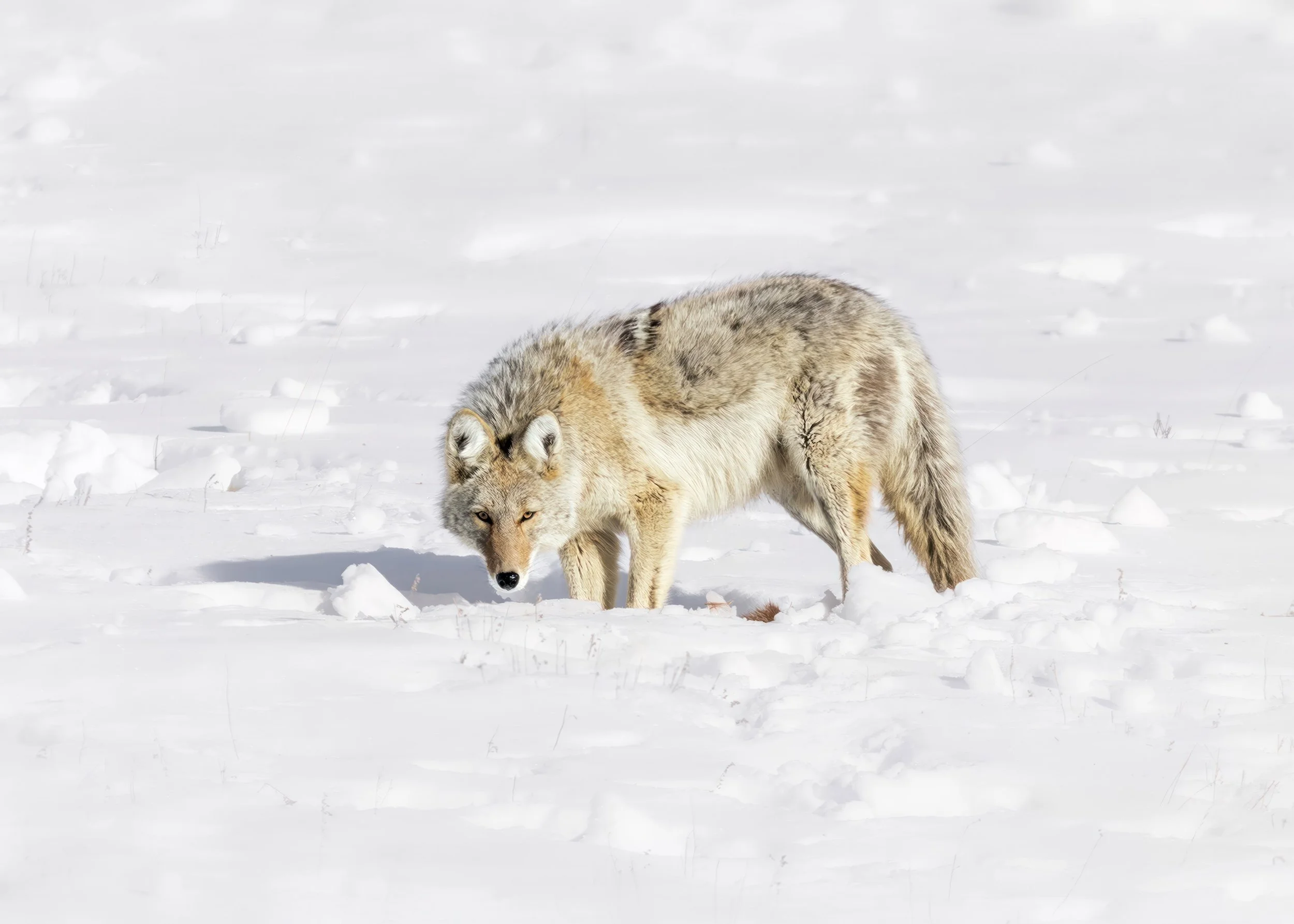
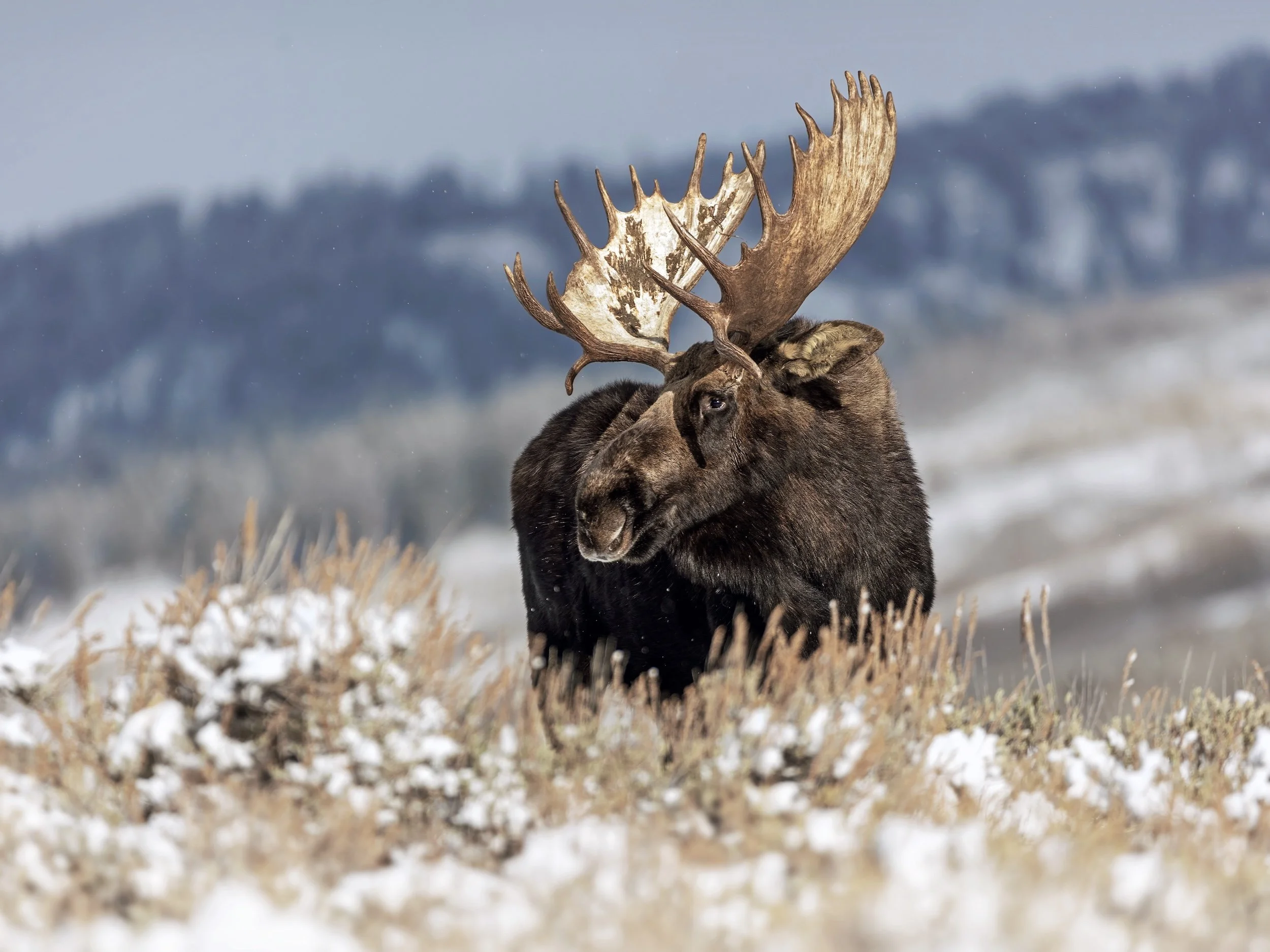
Experience the magic of winter in the Greater Yellowstone Ecosystem on an unforgettable wildlife adventure through Yellowstone and Grand Teton National Parks. Designed for wildlife enthusiasts and photographers alike, this small-group expedition offers exceptional opportunities to observe wolves, moose, bison, foxes, coyotes, elk, and a variety of winter birdlife in some of North America's most spectacular landscapes.
Explore Yellowstone's famed Northern Range before venturing deep into the park's snow-covered interior by snow coach, an experience few visitors ever enjoy. With flexible daily itineraries guided by the latest wildlife reports, every day is designed to maximize your chances of memorable encounters while immersing you in Yellowstone's breathtaking winter scenery.
The journey concludes in Grand Teton National Park. Along the way, you'll gain insights into the ecology and conservation of the Greater Yellowstone Ecosystem, including a special evening presentation with a member of the Yellowstone Wolf Project.
Whether you're hoping to witness a wolf pack through a spotting scope, photograph bison in falling snow, or experience the serenity of Yellowstone in winter, this expedition offers an unforgettable journey into America’s first National Park.
2026 Dates: February 1st - 7th, 2027
$8,700 USD per person
Optional Single Occupancy: $1,200 USD (subject to availability)
Please note: Single-occupancy accommodations at the Snow Lodge are limited and may not be available depending on the timing of your booking.
Payment Schedule
$2,500 USD non-refundable deposit due upon acceptance to secure your spot
$3,100 USD due November 1, 2026
$3,100 USD due December 1, 2026 (final payment)
Cancellation Policy
The initial $2,500 deposit is non-refundable.
Payments due on November 1 and December 1 are also non-refundable, as accommodations, transportation, permits, and other logistics for winter travel in Yellowstone's interior require significant advance commitments and cannot be recovered.
-
Double occupancy accommodations starting the evening of Day 1
Breakfast and lunch from Day 1 on
Professional local & year round guides
Transfer from Bozeman to Gardiner
Airport transfer on departure day
Daily transportation and local snowcoaches
Use of premium optics including scopes and binoculars
All taxes, permits and service fees
Snowcoach driver gratuities
-
Travel, like airfare, to and from the start and end point of the trip, airline baggage fees
Optional Welcome Dinner on day 0
Accommodations on day 0
Alcoholic beverages
Passport and visa fees (if any)
Photography equipment
Optional travel and evacuation insurance
Guide gratuities
-
Fly into Bozeman (BZN)
Fly out of Jackson (JAC)
Travel insurance is recommended
Yellowstone is cold in the winter, please read your packing list!
Accommodations at Snow Lodge are double occupancy ONLY based on available rooms, you may request single occupancy on all other overnights for an additional cost
Recommended gratuities for guides, 20-25% total
Highlight View of our schedule
Detailed Day by Day description below
Days 1-2: Northern RangeDeparting from Gardiner each morning we will spend full days on the search for wolves. moose, bison, bighorn sheep, American Dippers, and river otters will be on our species list as well.
Day 3-4: Yellowstone InteriorThe heart of Yellowstone will be our home base for these days. Traveling by snow coach we will be surround by snowy landscapes and hopefully some Yellowstone wolf packs as well.
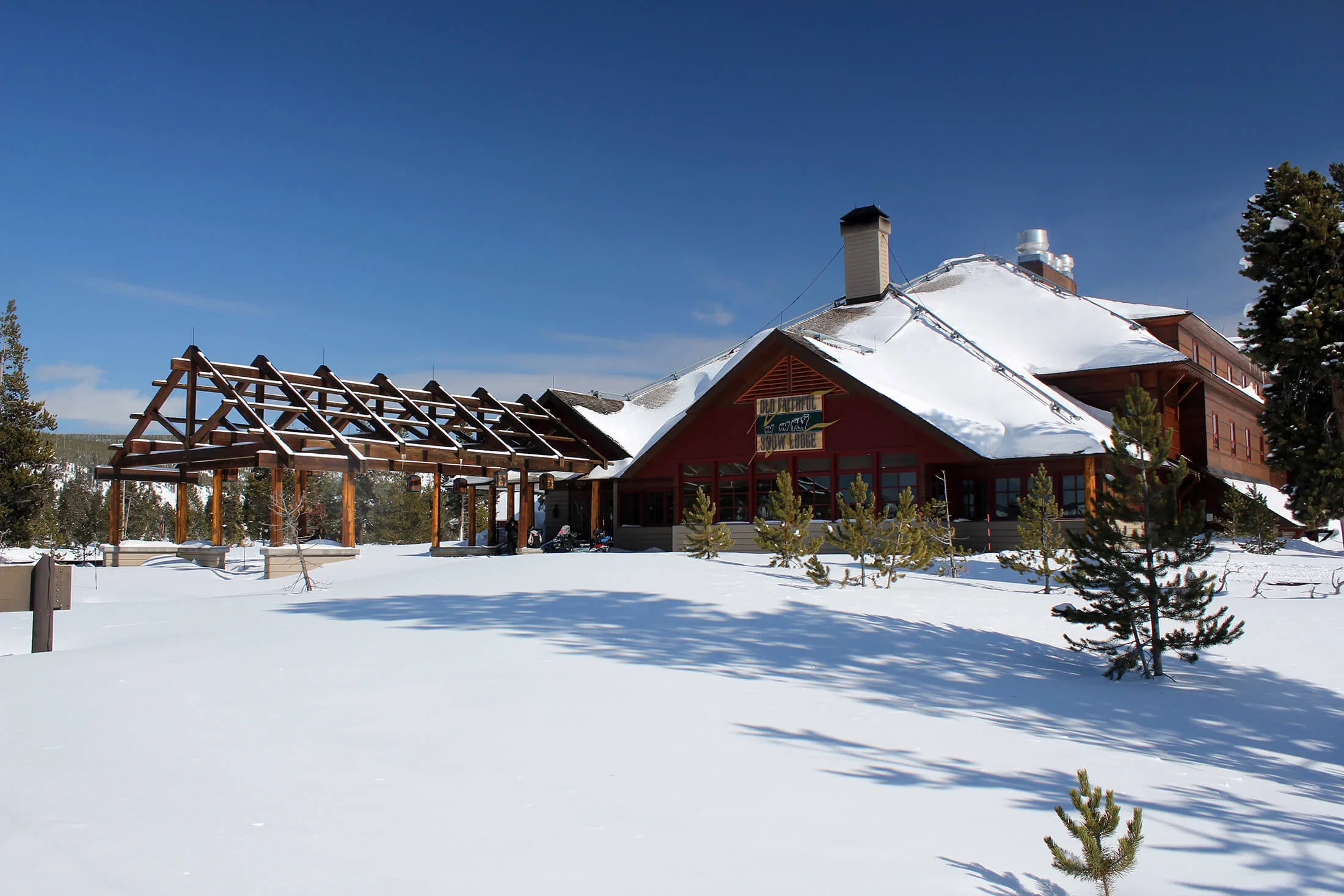
Day 5-7 We will travel from the Old Faithful snow lodge into Grand Teton & Jackson, WY. Our last days will be searching for wolves, moose, and intimate experiences with bighorn sheep. All under the mighty peaks of the Teton mountain range!
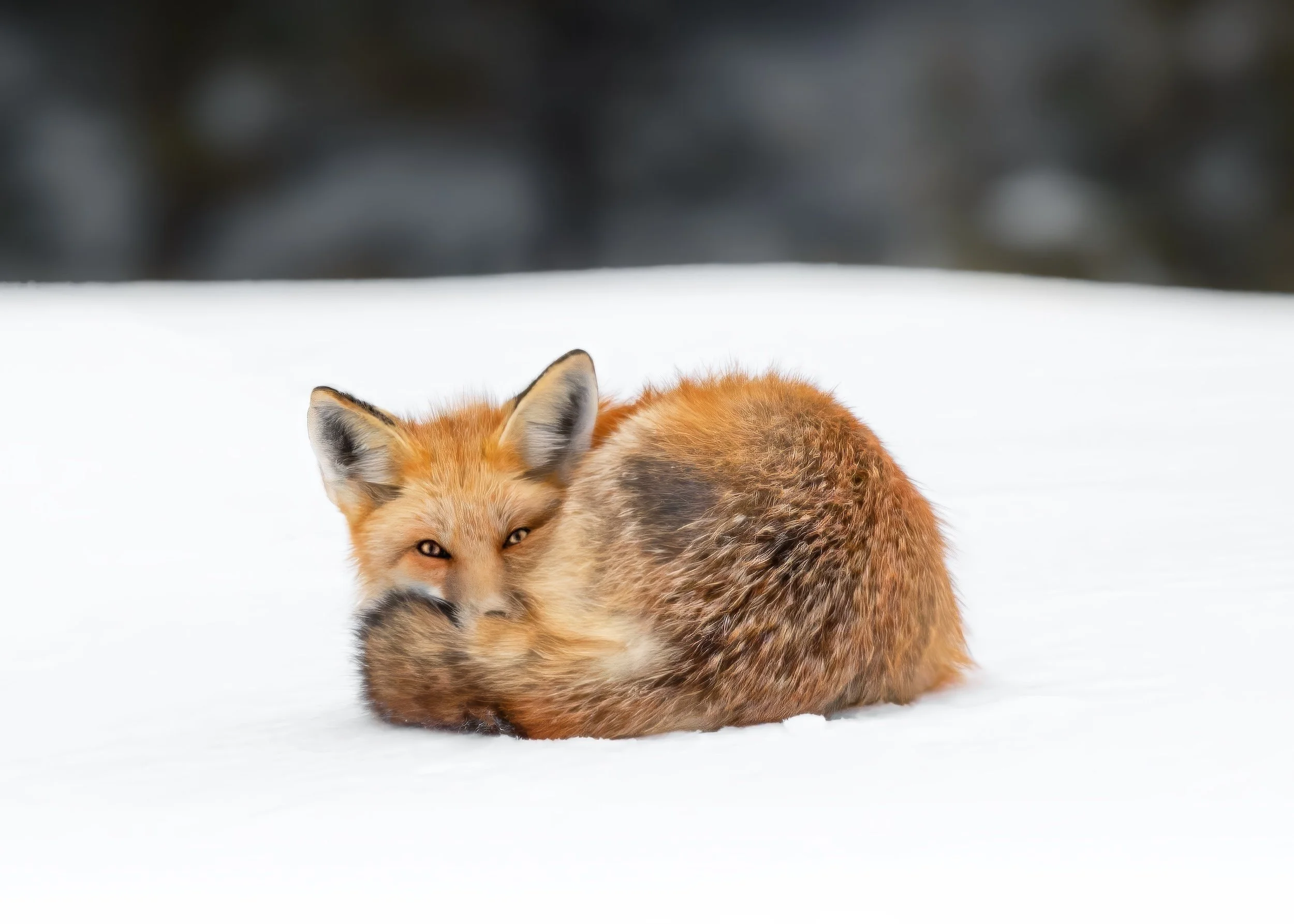
Why is this the winter trip of a lifetime?
01 / Premium Lodging
Relax in thoughtfully selected accommodations that offer exceptional comfort, warm hospitality and the perfect retreat after a day in the field.
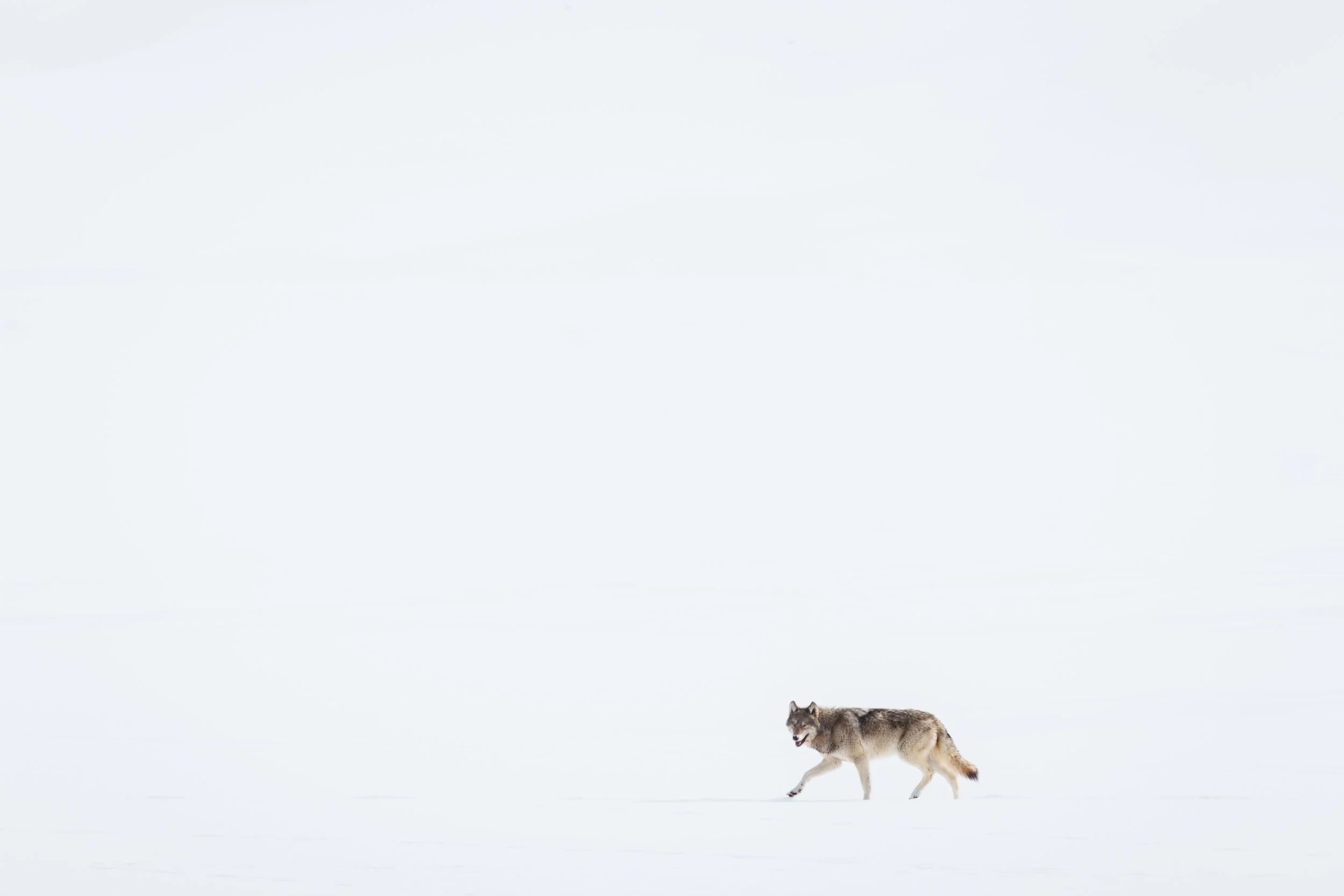
02 / Expert Facilitation
Travel with seasoned naturalist guides who bring the Yellowstone ecosystem to life through deep local knowledge, expert wildlife interpretation and years of experience in the field.
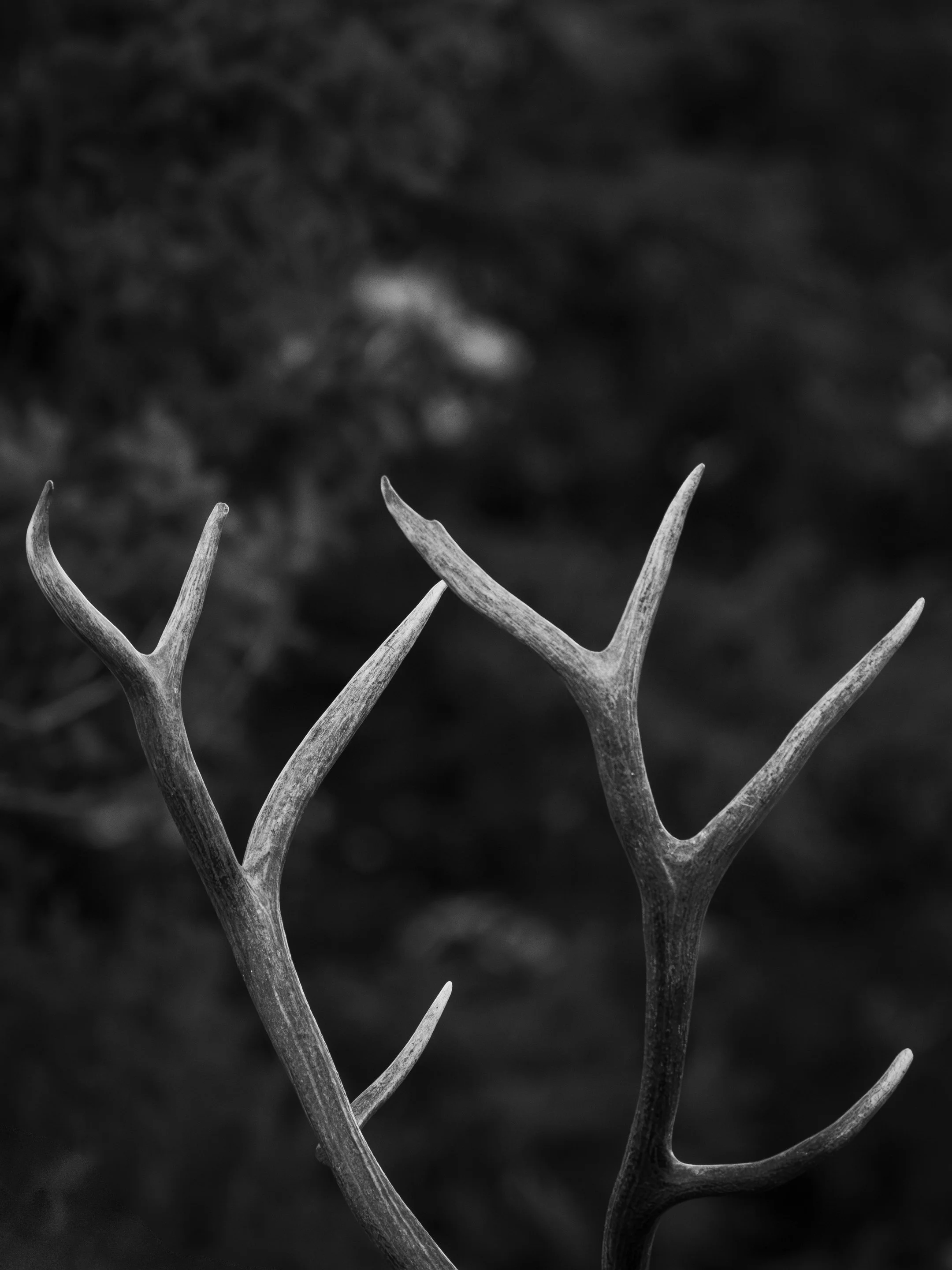
03 / Collaborative Energy
Share the journey with a small group of curious travelers who value meaningful conversations, unforgettable wildlife encounters and a shared appreciation for wild places.
〰️
Gray Wolves
〰️
Bighorn sheep
〰️
Bison
〰️
Moose
~
Elk
~
Coyotes
〰️ Gray Wolves 〰️ Bighorn sheep 〰️ Bison 〰️ Moose ~ Elk ~ Coyotes
The guides
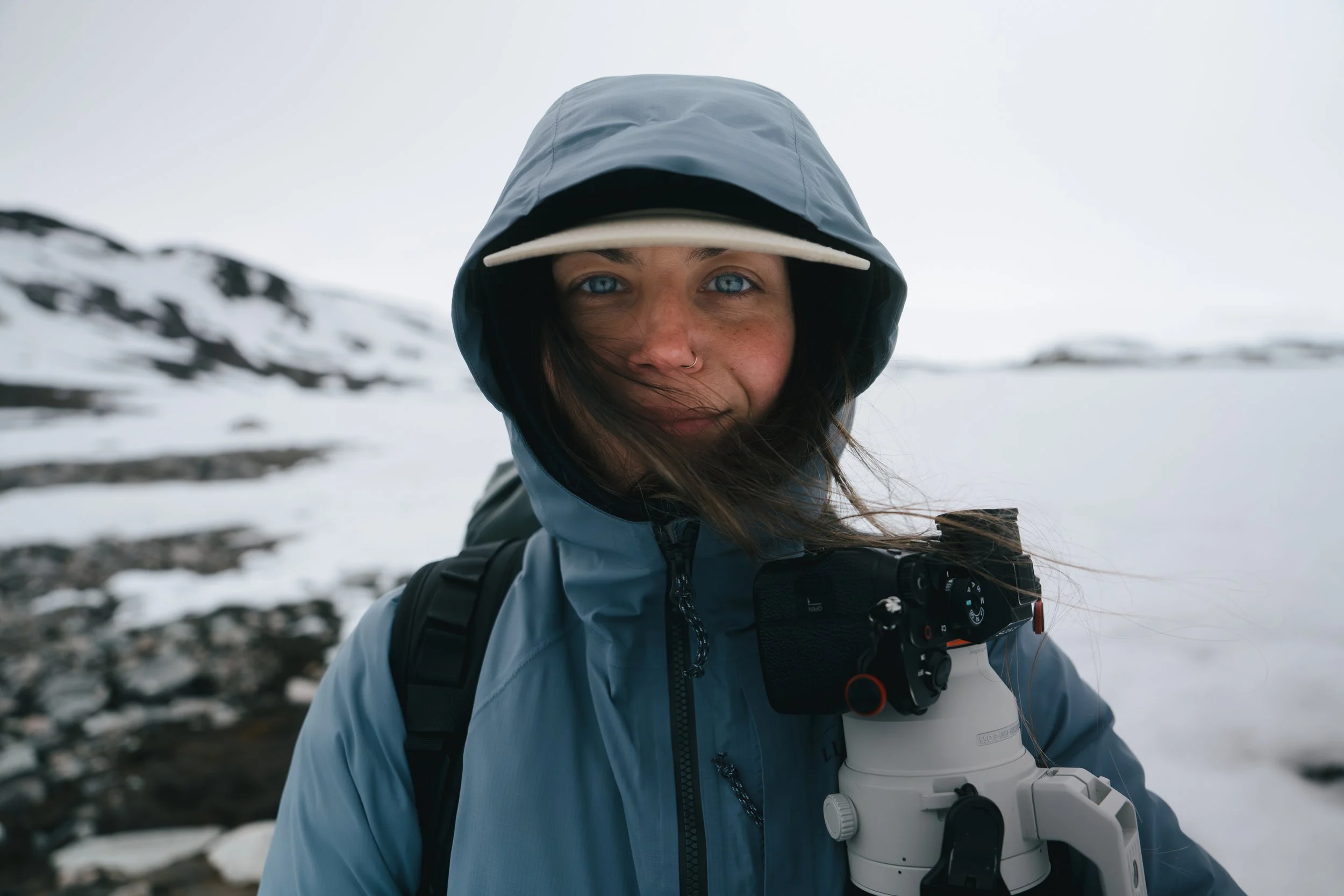
Hannah Rheaume
Hannah is a naturalist, photographer and visual storyteller driven by her deep connection to wild places. With an undergraduate degree in communications, she combines photography, natural history and interpretation to help others better understand the relationships between people, wildlife and the landscapes they share; fostering curiosity, respect and a lasting appreciation for the natural world. Her recent work has focused on wolves; documenting their behavior and ecology while exploring the challenges and connections that arise when wolves and humans share the same landscape. She believes that when we take the time to understand the intricacies of a place, an animal or a way of life different from our own, we are far more likely to care for it and protect it.
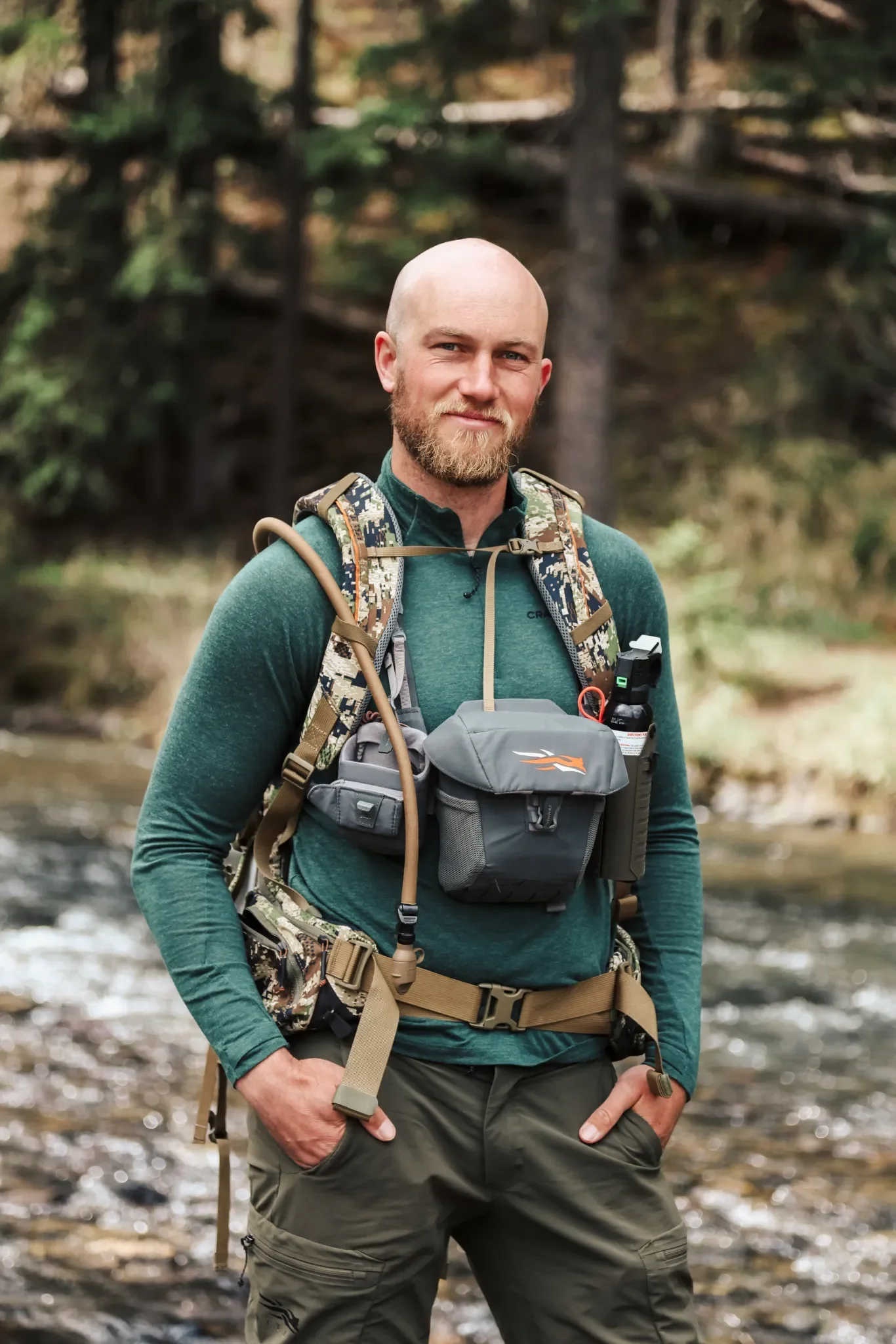
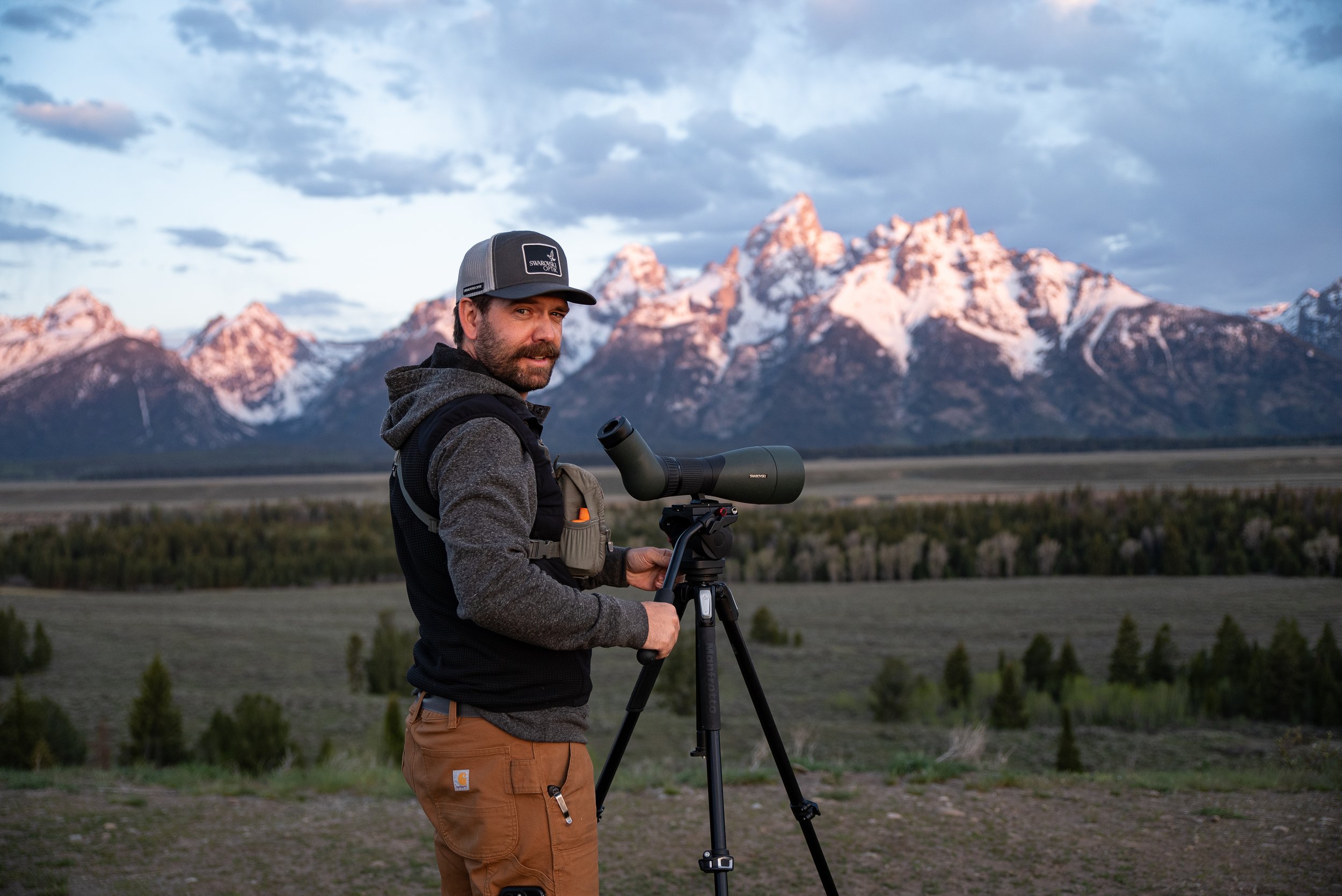
Andrea Baratte
Bo Welden
Born and raised in Colorado's Elk Mountains, Bo earned both a bachelor's and master's degree in Human Dimensions of Natural Resources from Colorado State University, where he developed environmental education programs and contributed to conservation initiatives with Subaru and the Leave No Trace Center for Outdoor Ethics. He has explored the Greater Yellowstone Ecosystem since childhood and has called Jackson, Wyoming, home since 2016. Bo has guided thousands of guests of all ages through this remarkable landscape and believes that staying curious is the key to lifelong learning and meaningful interpretation.Andrea came to Montana to pursue his dream of becoming a wildlife biologist and earned a B.S. in Wildlife Biology from the University of Montana. He worked as a field research assistant collecting data for one of the longest-running elk studies in the world. Drawn to the Greater Yellowstone Ecosystem, he spends as much time as possible exploring and interpreting wildlife and their signs while fostering a deeper appreciation for the natural world. An avid hiker, backpacker, and photographer, Andrea loves documenting Montana's incredible megafauna and hopes these wild landscapes remain protected for future generations.Other things to note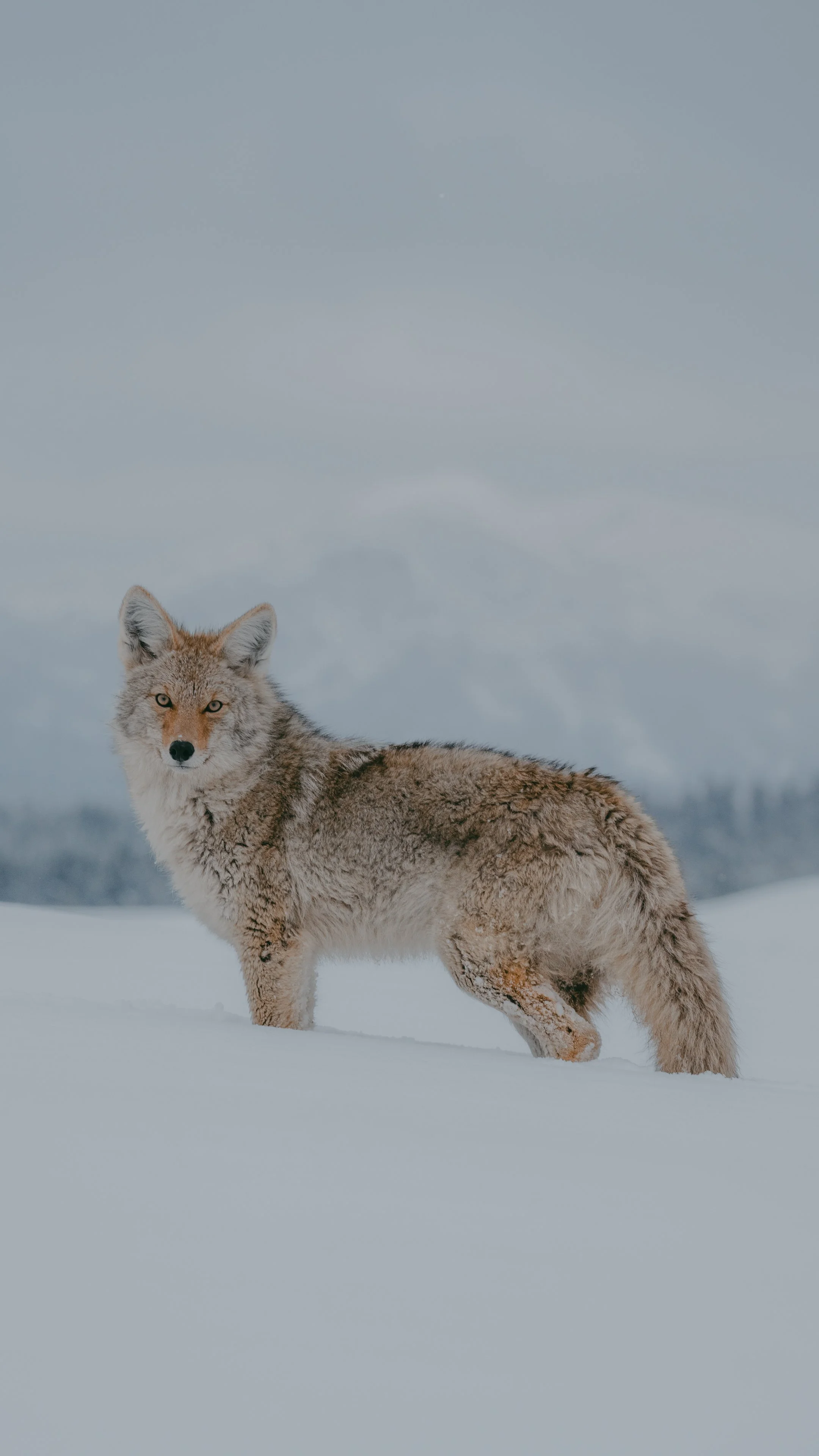
February 1-7, 2027
-
Winter is widely regarded as one of the best seasons for observing Yellowstone's wildlife. Deep snow concentrates animals into lower elevations, making them easier to locate while also increasing opportunities to witness natural predator-prey behavior.
While every trip is unique, possible sightings include:
Gray wolves
Moose
American bison
Elk
Coyotes
Red foxes
Bighorn sheep
Mule deer
Pronghorn
River otters
Bald eagles
Golden eagles
Trumpeter swans
Ravens and other winter bird species
Because this is a true wildlife expedition, our itinerary remains intentionally flexible. Daily plans may change based on recent sightings, weather, road conditions, and the movements of Yellowstone's wildlife, allowing us to maximize opportunities for exceptional encounters.
*Wolf and other wildlife sightings are not guaranteed
-
This tour is designed for guests of a wide range of ages and experience levels. While it is not a strenuous hiking trip, participants should be comfortable spending long days outdoors in winter conditions and entering and exiting vehicles multiple times throughout the day.
Guests should be able to:Walk 1–2 miles (1.5–3 km) over the course of a day at a relaxed pace.
Walk short distances on snow-packed, icy, or uneven surfaces while wearing winter boots.
Stand outdoors for 15–60 minutes at a time while observing wildlife through spotting scopes or photographing animals.
Climb in and out of SUVs and snow coaches several times each day.
Sit comfortably during vehicle transfers of up to 2–3 hours between stops.
Carry personal day gear, including a small backpack, camera equipment, binoculars, water, and extra clothing.
Winter Conditions
Expect a true winter environment. Daily temperatures commonly range from -20°F to 30°F (-29°C to -1°C), with colder mornings possible. Snow, ice, wind, and changing weather are all part of the Yellowstone winter experience.
Success on this trip depends as much on patience as mobility. Wildlife viewing often involves quietly scanning distant hillsides and valleys through spotting scopes while standing outdoors in cold temperatures.
Accessibility
This itinerary is vehicle-based, with frequent wildlife viewing from roadside pullouts and short walks to observation areas. Long hikes are not required.
Guests with minor mobility limitations are encouraged to contact us before booking so we can discuss whether this itinerary is a good fit and identify any accommodations that may be possible.
Pace of the Tour
Wildlife activity dictates our daily schedule. Some mornings may begin before sunrise to maximize viewing opportunities, while evenings may extend past sunset if wildlife activity is exceptional. Flexibility is an important part of the experience.
Participants should arrive prepared for full days in the field, occasional changes to the itinerary based on wildlife movements and weather, and the possibility of long periods of observation followed by exciting moments of wildlife activity.tion
-
Traveling through Yellowstone's winter interior by snow coach is one of the most unique and memorable parts of this adventure. These specialized over-snow vehicles provide access to areas of the park that are otherwise inaccessible during the winter season.
Snow coaches are designed for function rather than luxury, and seating can be cozy, particularly when traveling with a full group. Guests should expect a snug ride with limited personal space, similar to riding in a full passenger van or shuttle. Winter clothing, camera gear, and daypacks can also make the space feel tighter.
Transfers through the park typically last several hours, with opportunities to stop for wildlife viewing, photography, restrooms, and scenic breaks along the way. Most guests find that the incredible access to Yellowstone's snow-covered interior and its remarkable wildlife far outweigh the close quarters during transit.
If you have concerns about confined seating, mobility, or comfort during extended vehicle rides, please contact us before booking so we can discuss whether this experience is a good fit for you.
Full Itinerary
7 Days / 6 Nights
Pre-trip: one month before departure
Approximately one month before our winter expedition begins, we'll host a live group Zoom meeting with your guides. This session is designed to help everyone prepare for the trip and answer any remaining questions before arrival.
Topics will include:
A detailed review of the itinerary
Winter clothing and gear recommendations
Camera equipment and photography tips
Wildlife viewing expectations and trip goals
Travel logistics and arrival information
Packing suggestions for Yellowstone's winter conditions
Q&A with the guides
The Zoom call also gives everyone an opportunity to meet fellow travelers before the trip, helping build camaraderie before arriving in Montana. A recording will be made available for anyone unable to attend live but we will work with everyone to find a suitable time.
Day 0 – Arrival in Bozeman, Montana
Guests arrive throughout the day at Bozeman Yellowstone International Airport (BZN). After settling into your hotel, there will be an optional welcome dinner where everyone can meet the guides and fellow travelers, review the week's plans, discuss camera gear, and get an overview of winter wildlife photography and viewing strategies.
Overnight: Bozeman
Day 1 – Into Yellowstone's Northern Range
We’ll depart early from Bozeman to head into Yellowstone National Park. Our first wildlife stops begin before reaching the park entrance, as elk, bighorn sheep, bald eagles, and pronghorn are commonly seen along the route.
Once inside the park, we spend the remainder of the day exploring Yellowstone's legendary Northern Range, one of the premier winter wildlife viewing areas in the park. We'll search for wolves, bison, coyotes, foxes, elk, bighorn sheep, mule deer, river otters, and wintering birds while stopping frequently to glass the valleys.
Depending on wildlife activity, we'll explore areas such as:
Mammoth Hot Springs
Blacktail Plateau
Lamar Valley
Soda Butte
Slough Creek
Overnight: Gardiner
Day 2 – Full Day Wildlife Safari
With a full day dedicated to the Northern Range, we have the flexibility to follow wildlife reports and changing conditions. Winter often provides excellent opportunities to observe predator-prey interactions as wolves, coyotes, and foxes hunt across the snow-covered landscape.
We'll spend much of the day behind spotting scopes and binoculars, carefully scanning ridges and valleys. Patience is often rewarded with memorable wildlife encounters.
Throughout the day we'll remain in communication with other guides to maximize our chances of finding wildlife.
After dinner, we'll enjoy a special evening presentation and discussion with a member of the Yellowstone Wolf Project. They will share insights from their time studying Yellowstone's wolves, discuss current research and pack dynamics, and answer questions about wolf behavior, conservation and the Yellowstone Wolf Project.
Overnight: Gardiner
Day 3 – Northern Range & Into Yellowstone's Interior
We'll enjoy one final morning exploring the Northern Range before making our way to Mammoth Hot Springs where we will board a snow coach for the journey to the interior.
Once the park roads close to regular vehicle traffic come November, snow coaches become one of the only ways to reach the interior of the park.
The drive itself is an experience, passing steaming geyser basins, frozen rivers, snow-covered forests, and expansive winter landscapes rarely seen by most visitors.
We’ll be opportunistic with our sightings this day and remain in communication with other guides to maximize daylight.
Overnight: Old Faithful Snow Lodge
Days 4 & 5 – Yellowstone Interior Wildlife & Winter Landscapes
These two days remain intentionally flexible.
Our primary objective is locating and observing Yellowstone's interior wolf pack, the Wapiti Lake Pack.
Every evening we'll review the latest wildlife reports with other professional guides and park observers, allowing us to adjust our plans based on recent wolf movements and current conditions.
Depending on activity, our days may include visits to:
Firehole River
Madison River
Biscuit Basin
Old Faithful and Grand Prismatic area
Hayden Valley access (conditions permitting)
Additional interior road corridors reachable by snow coach
While wolves remain the focus, we'll also search for:
Snow-covered Bison
Coyotes
Red foxes
Trumpeter swans
Bald and golden eagles
River otters
American Dipper
The geothermal features provide spectacular photographic opportunities, with rising steam contrasting against snow-covered forests and colorful hot springs.
Because wildlife movements can change rapidly, flexibility is key to making the most of these days.
Overnight: Old Faithful Snow Lodge
Day 5 – Snow Coach to Flagg Ranch & Grand Teton National Park
This morning we depart Yellowstone's interior by snow coach, traveling south through the park before reaching Flagg Ranch around midday.
From there we'll transition into Grand Teton National Park for an afternoon and evening wildlife drive.
Grand Teton National Park offers a distinctly different landscape and some of the best opportunities in North America to observe moose during winter.
We'll also search for wolves, elk, bison, bighorn sheep, coyotes, foxes, and a variety of raptors against the dramatic backdrop of the Teton Range.
Sunset often provides beautiful photographic light across the snow-covered mountains.
Overnight: Jackson
Day 6 – Grand Teton Wildlife Expedition
We'll spend a full day exploring Grand Teton National Park, concentrating on areas with recent wildlife activity.
Our priorities include:
Wolves
Moose
Bighorn sheep
Coyotes
Foxes
Elk
Bison
Bald eagles
Trumpeter swans
Great gray owls (if conditions and reports allow)
As throughout the trip, we'll coordinate with local guides and recent wildlife reports to adapt our route throughout the day.
Grand Teton provides a wonderful contrast to Yellowstone's volcanic landscapes.
Overnight: Jackson
Day 7 – Departure
Enjoy a relaxed morning before departing from Jackson Hole Airport (JAC).
Flights may be scheduled for any time during the day.